

Learn About Painters Insurance in Vermont & More
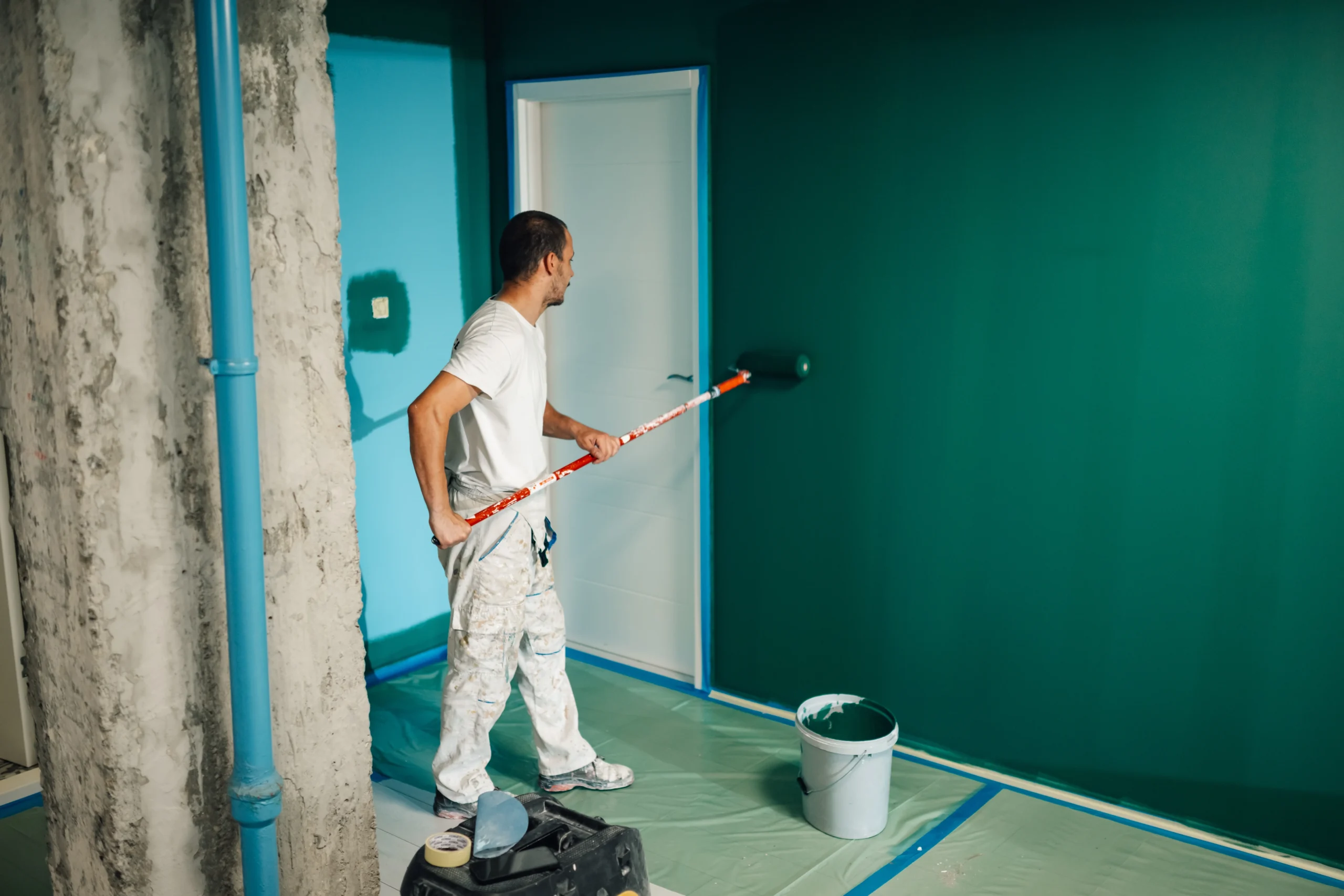
Painting businesses take on a variety of responsibilities, from preparing surfaces and applying finishes to managing crews, meeting deadlines, and maintaining customer properties. Whether you specialize in residential interiors, commercial buildings, exterior painting, or specialty finishes, unexpected accidents and property damage can disrupt your work and affect your bottom line. Painters insurance may help address these risks while supporting your business as it grows.
At Lonergan & Thomas, we understand that every painting contractor has different priorities, equipment, and job requirements. Finding suitable insurance involves considering the services you provide, the projects you accept, and the people who depend on your business. The right combination of policies may help you manage everyday exposures and prepare for unexpected expenses.
What Is Painters Insurance?
Painters insurance refers to a combination of business insurance policies designed to address risks associated with professional painting services. Since painting contractors work in homes, offices, retail spaces, and construction sites, their exposures can vary significantly from one project to another. A small residential operation may have different insurance needs than a commercial contractor managing several crews.
Depending on the business and selected policies, coverage may include general liability, commercial auto, workers’ compensation, tools and equipment coverage, and protection for business property. Each policy addresses different risks, and coverage terms, exclusions, and limits vary.
Vermont painting contractors should consider where they work, whether they hire employees or subcontractors, and what property they use to complete jobs. Reviewing these details can help identify potential insurance gaps and determine which policies are appropriate for the operation.
Why Do Painting Contractors in Vermont Need Business Insurance?
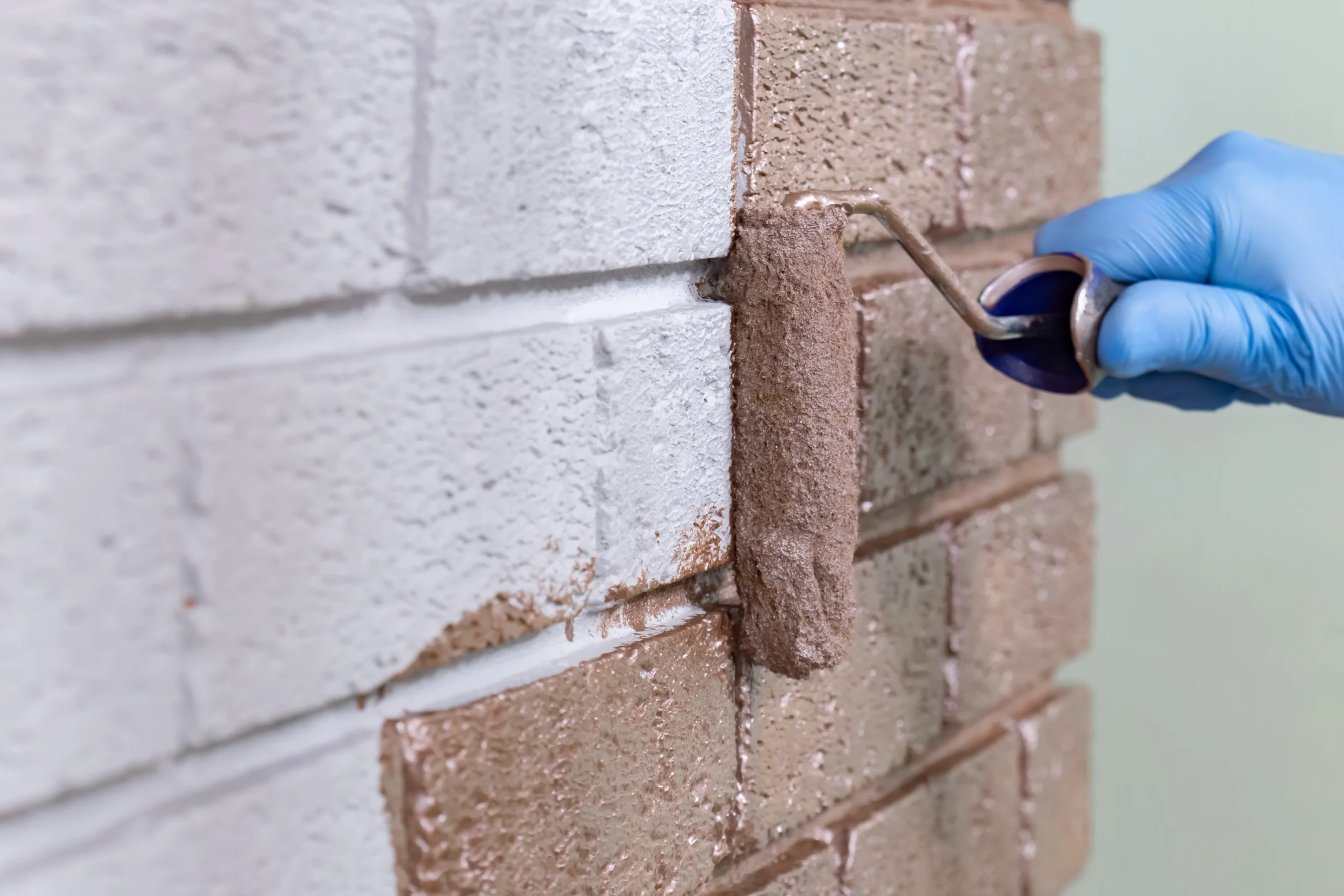
Painting projects involve more than applying paint to a surface. Contractors must protect customer property, work safely around ladders and scaffolding, transport supplies, and coordinate with other trades. Even experienced professionals can encounter accidents that lead to unexpected expenses or disputes.
For example, spilled paint could damage a customer’s flooring, while a ladder-related accident might injure someone at a job site. A vehicle collision while transporting supplies could also interrupt scheduled work. Depending on the circumstances and applicable policy terms, business insurance may help address certain resulting costs.
Insurance may also support your ability to secure contracts. Some property owners, general contractors, and commercial clients require proof of liability insurance before allowing a contractor to begin work. Workers’ compensation coverage may also be required when a business employs workers, subject to Vermont law and applicable exceptions.
By evaluating these exposures before problems arise, painters can make informed decisions about managing financial risks and maintaining business continuity.


What Types of Insurance May Painters Need?
A painting contractor’s insurance program should reflect the services performed, the size of the business, and its contractual obligations. Several policies may be worth considering when developing coverage.
- General Liability Insurance: May address certain third-party bodily injury, property damage, and personal or advertising injury claims, subject to policy terms.
- Workers’ Compensation Insurance: May help cover eligible employee medical expenses and lost wages following work-related injuries, as provided by the policy and applicable law.
- Commercial Auto Insurance: May address covered accidents involving vehicles used for business purposes.
- Tools and Equipment Coverage: May help with covered losses involving brushes, sprayers, ladders, and other insured equipment.
- Commercial Property Insurance: May cover certain losses involving eligible business property at an insured location.
Not every painter needs every policy, and coverage can differ based on business operations. A contractor who works alone may have different priorities from a company with employees, multiple vehicles, and substantial equipment investments. Reviewing individual needs with Lonergan & Thomas can help you determine which options merit consideration.

How Can Painters Insurance Help Protect Against Liability Claims?
Liability risks can arise whenever painters work on someone else’s property or interact with customers, visitors, and other contractors. A paint spill, accidental damage to a fixture, or injury involving equipment could result in a claim against the business. Even when a contractor follows established safety procedures, accidents may still happen.
General liability insurance may provide coverage for certain third-party claims involving bodily injury or property damage. Depending on the policy, it may also address some personal and advertising injury allegations. However, coverage is not automatic for every incident. Policy exclusions, limits, and the circumstances surrounding a claim determine whether protection applies.
Painting contractors should also understand the difference between damage to existing property and problems involving their own completed work. Some situations may fall under different policy provisions or exclusions, so it is important to review the details before a project begins.
Clear contracts, careful surface preparation, appropriate safety measures, and thorough documentation can complement an insurance program. Together, these practices may help contractors manage disputes and reduce avoidable risks.
What Factors Affect the Cost of Painters Insurance in Vermont?
The cost of painters insurance depends on several characteristics of the business. Insurers may evaluate the company’s operations, claims history, payroll, revenue, workforce, and selected coverage limits. The types of projects undertaken can also influence underwriting decisions.
For example, a contractor who primarily paints residential interiors may present different exposures from one who regularly handles commercial properties, tall buildings, or exterior work requiring specialized access equipment.
Other considerations may include:
- Business Size: Employee count, payroll, and annual revenue may influence pricing.
- Services Offered: Specialty coatings, extensive exterior work, and other higher-exposure activities may affect underwriting.
- Equipment and Vehicles: The value of insured tools, machinery, and business vehicles can influence relevant policy premiums.
- Coverage Selections: Limits, deductibles, endorsements, and policy combinations affect overall costs.
- Claims History: Previous claims may be considered when evaluating risk.
Choosing insurance based on price alone can leave important exposures unaddressed. Comparing policy terms and reviewing coverage needs can help you balance affordability with appropriate financial protection.
How Can Vermont Painters Reduce Everyday Business Risks?
Insurance is one part of managing a painting business. Consistent safety practices, reliable documentation, and sound job planning may also reduce the likelihood of accidents and costly disagreements.
Before starting a project, inspect the work area, identify potential hazards, and confirm that ladders, scaffolding, and other equipment are suitable for the task. Use appropriate protective equipment and follow product instructions when handling paints, solvents, and coatings. Keeping materials organized can also reduce trip hazards and accidental spills.
Contractors can take additional steps to strengthen their operations:
- Document the property’s condition before work begins.
- Establish written agreements outlining the project scope and responsibilities.
- Maintain tools and vehicles according to manufacturer recommendations.
- Train employees on safe work procedures and proper equipment use.
- Keep records of completed work, customer approvals, and reported incidents.
These measures may help prevent problems and provide useful documentation if a dispute occurs. Contractors should also review their insurance when adding employees, purchasing equipment, expanding into commercial work, or accepting projects with new contractual requirements.

Why Choose Lonergan & Thomas for Painters Insurance?
Choosing insurance is easier when you understand how policy options relate to your actual work. Lonergan & Thomas can help Vermont painting contractors evaluate their business exposures and explore insurance solutions suited to their operations.
Whether you run a small painting company or manage a growing team, it is worth considering how liability claims, employee injuries, vehicle accidents, and equipment losses could affect your finances. A thoughtful review can identify areas where existing policies may be insufficient and clarify which additional options may be appropriate.
Your insurance needs may change as your business develops. New employees, larger contracts, additional vehicles, and expanded services can all affect the protection your company requires. Reviewing coverage periodically helps keep your insurance aligned with your current operations.
Contact Lonergan & Thomas to discuss painters insurance in Vermont. We can help you explore available coverage options, review your business needs, and take the next step toward an insurance program designed around your painting business.
